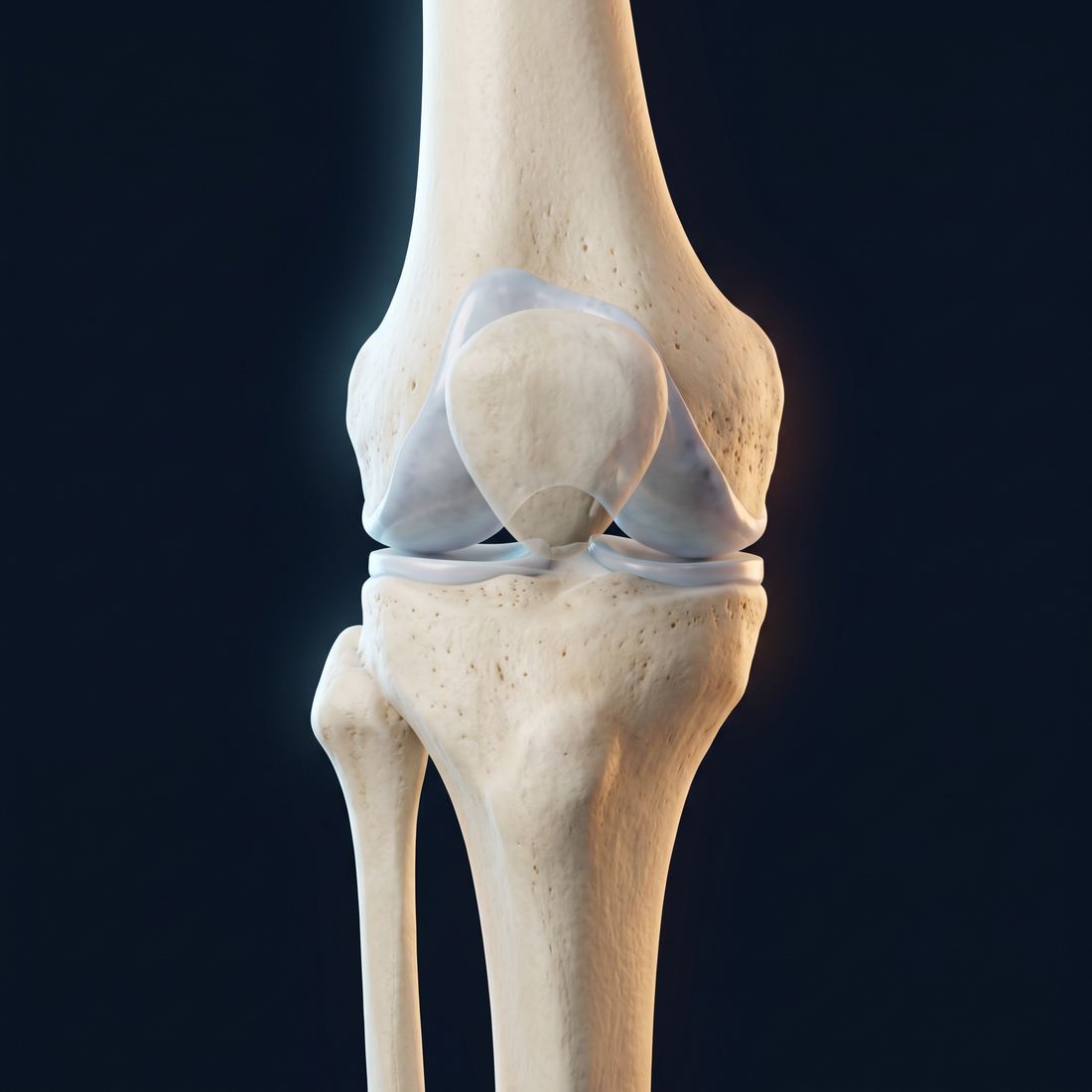
Knee joint
Arthroscopy is a modern minimally invasive surgical procedure used to examine and treat disorders of the musculoskeletal system.
- Knee arthroscopy
- Total knee replacement
- High tibial osteotomy
- Meniscal and ligament injury, cartilage defects

Arthroscopy and joint replacement in Kyiv. Clinic of Sports and Ballet Trauma, State Institution «Institute of Traumatology and Orthopedics of the NAMS of Ukraine».
Roman Blonskyi has worked at Clinic No. 8 of the Institute of Traumatology and Orthopedics of the NAMS of Ukraine since 2004 — the national referral institute for orthopaedics, a base no private practice can match.
Sources: official profile at ito.gov.ua, asmu.com.ua, koleno.kiev.ua
Patient O., 36. The lateral meniscus was absent following resection elsewhere, with grade 1–2 chondromalacia in the lateral compartment.
Source: news item of 9 November on koleno.kiev.ua
Six areas Professor Blonskyi works with. The list of procedures follows the descriptions published on the current site.
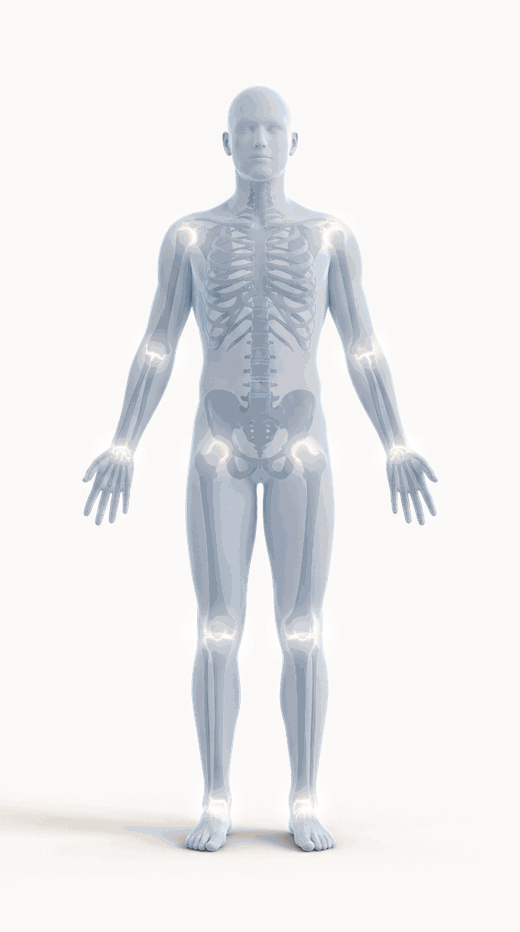
Arthroscopy is a modern minimally invasive surgical procedure used to examine and treat disorders of the musculoskeletal system.
A diagnostic and therapeutic method that shows the internal structures of the joint and allows treatment without opening the joint capsule.
One of the best diagnostic and treatment methods, recognised worldwide. The examination takes 30–60 minutes and helps return the patient to physical activity.
Thorough diagnosis and treatment with a lighter, faster recovery than the traditional open approach.
A miniature arthroscope lets the surgeon look inside the joint without a wide opening of the surrounding muscles and tissues.
The ankle accounts for 15–25 % of musculoskeletal injuries, and arthroscopy is feasible in 50–60 % of cases.
Descriptions sourced from the «Types of treatment» section on koleno.kiev.ua
Arthroscopy is a modern minimally invasive surgical procedure used to examine and treat disorders of the human musculoskeletal system.
Procedure description taken verbatim from the «Knee arthroscopy» section on koleno.kiev.ua
A staged increase in load: flexion, extension and abduction of the arms overhead and behind the back. Scroll — the strip moves with the page.
Bend forward to 90°, supporting yourself on a chair. Move the trunk and arm together in a clockwise pattern.
3× daily · 10 clockwise + 10 counter-clockwiseRaise the arms overhead lying down or seated. Keep the elbows as straight as possible during each lift.
10 reps · 3× dailyKeep the elbow in line with the shoulder blade. Slide the forearm forward and back along a table.
10 reps · 3 sessions dailySlide your fingers up a wall or door frame with the elbow straight. Hold at the top.
10 seconds · 3 in a row · 3 sessionsBring the hands together behind the back and move them up and down within a comfortable range.
10 reps · 3 sessions dailyRaise the arm to point the index finger at the ceiling, keeping the elbow straight.
10 seconds · 3 in a row · 3 sessionsRaise the arm out to the side and hold at the top of the movement.
10 seconds · 3 reps · 3 sessions dailyStand with your back to a wall, arms straight at your sides. Keeping the elbows straight, press the arms back into the wall.
5 seconds hold · 10 repsStand with the affected side to the wall, elbow bent to 90°. Tense and push the arm against the wall.
5 seconds · 10 repsStand facing a wall corner, hand against the wall around the corner, elbow bent to 90°. Press the arm into the wall.
5 seconds · 10 repsElbow bent to 90°. Take a light weight and bring the arm towards the abdomen, then return slowly.
10 reps · 3 sessions dailyElbow bent to 90° at your side. Take a light weight and move the arm away from the abdomen, returning slowly.
10 reps · 3 sessions dailyPress the upper arm into a small pillow held against your side.
5 seconds · 10 reps · 3 sessionsResisted movement out to the side: press the arm against the back of a chair.
5 seconds · 10 reps · 3 sessionsThis is the general list from the «Shoulder surgery. Rehabilitation» section of the current site. Volume and pace are set individually at an in-person consultation.
Source: koleno.kiev.uaThe subject of the doctoral thesis defended in 2018 at SITO NAMS of Ukraine. Academic supervisor — Professor Oleksandr Kostrub. A narrow field with very few specialists in Ukraine.
Google Scholar figures as of August 2026 — subject to change
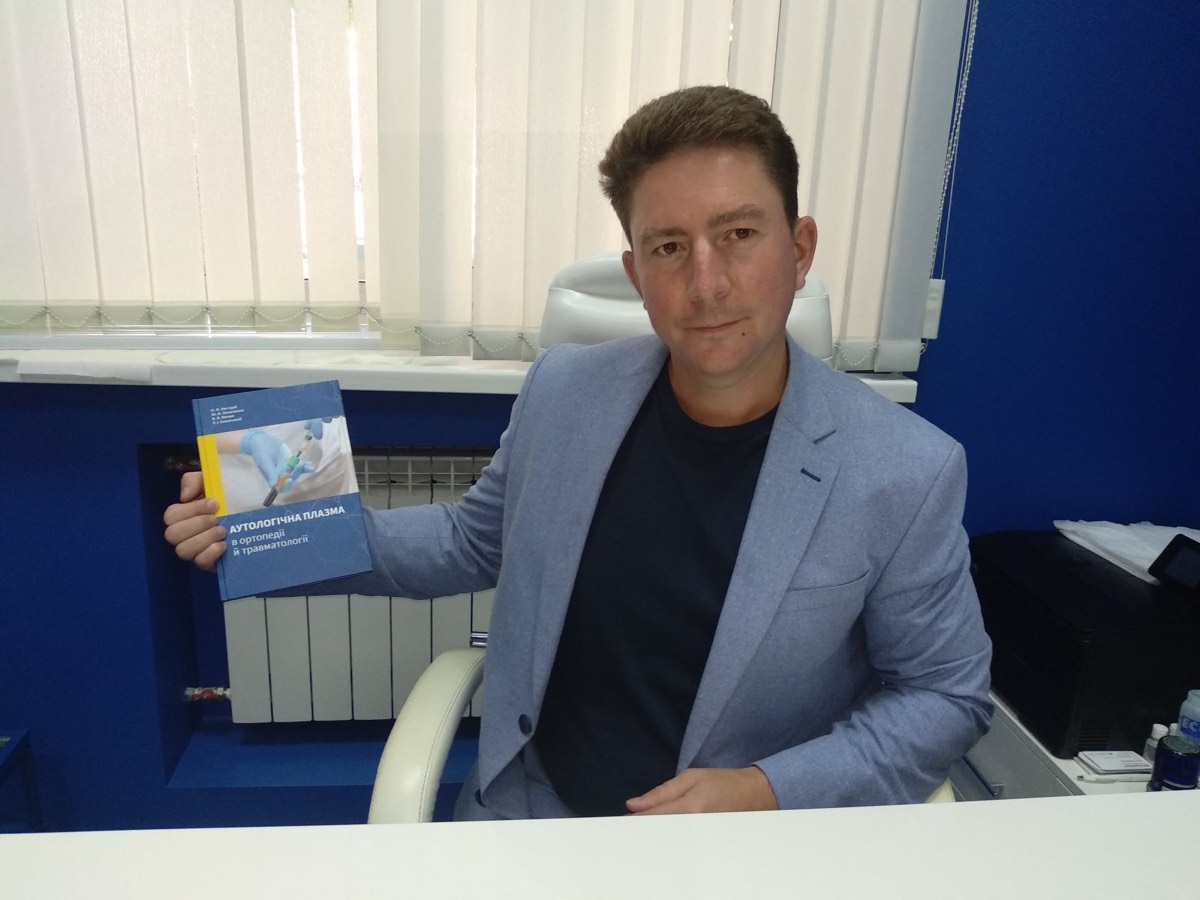
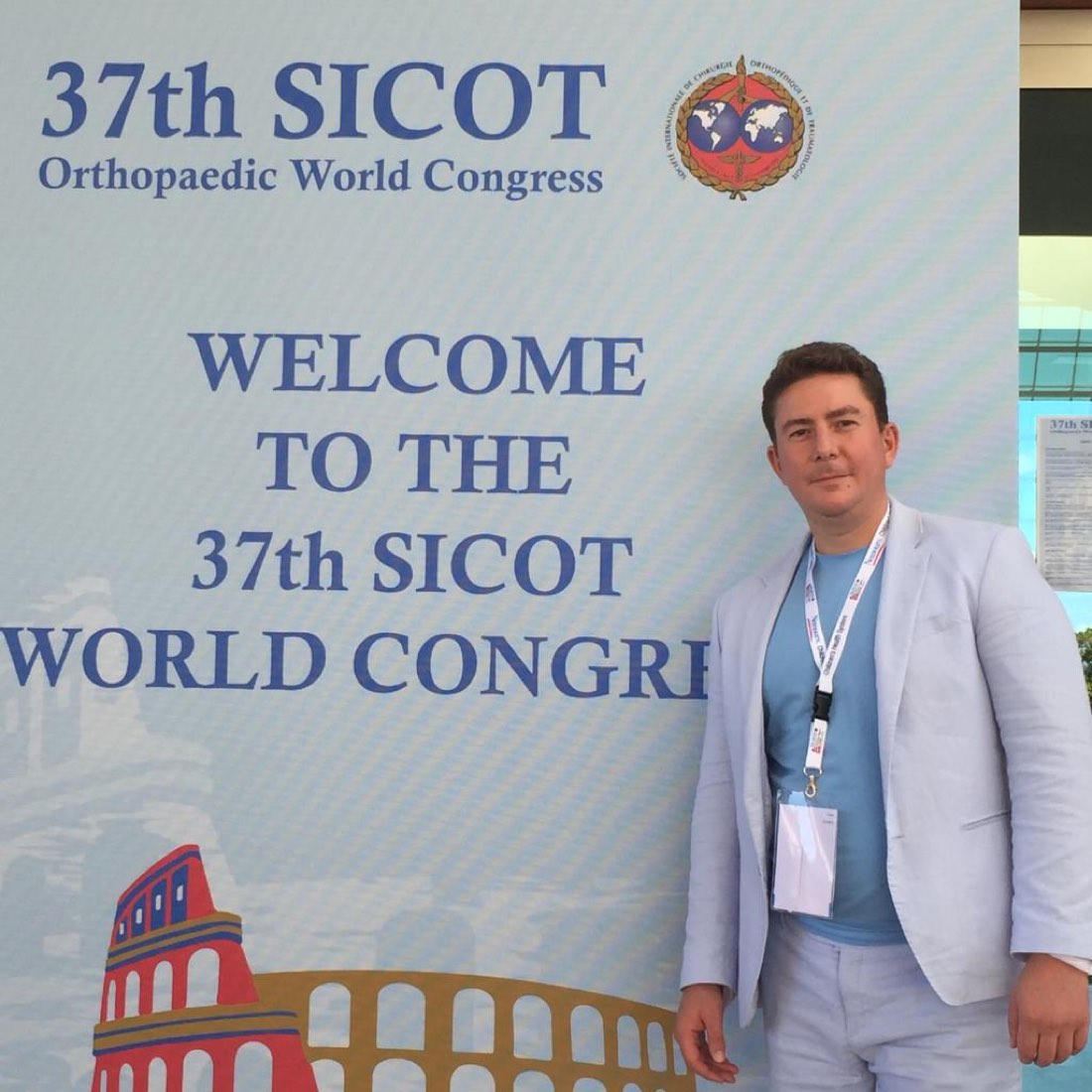
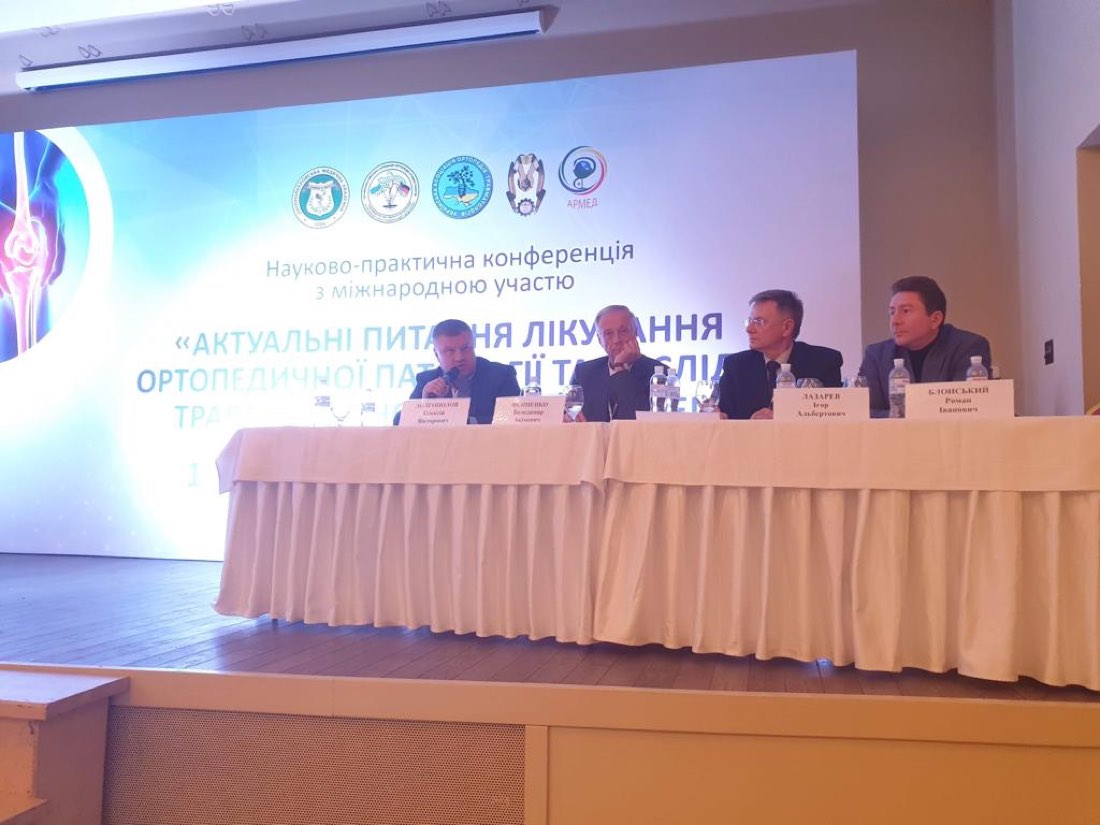
Genuine patient reviews are published on the doc.ua profile — 108 reviews. Patient photographs may only be published with their written consent.
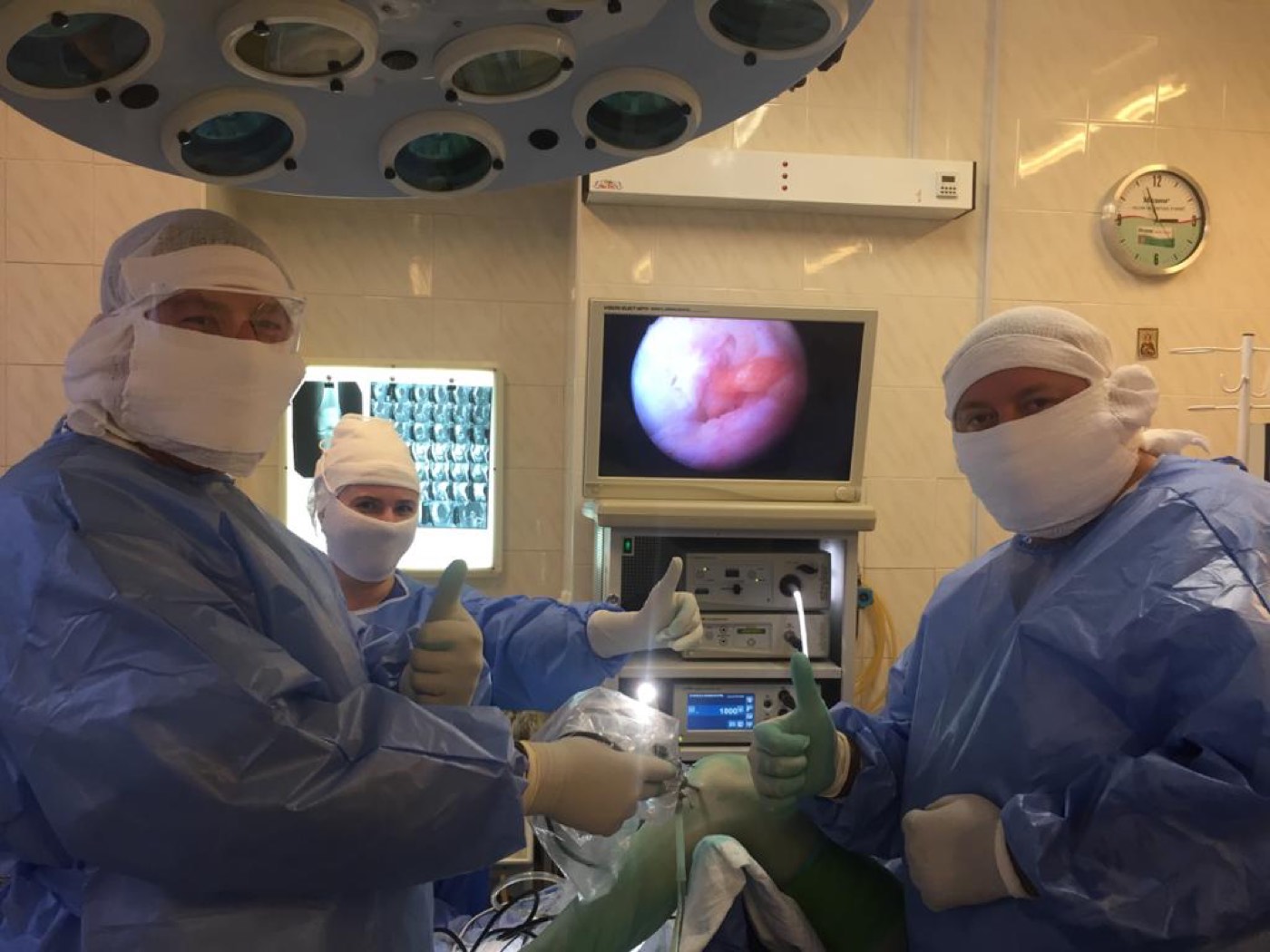
The operation is performed with an arthroscope inserted through a single portal in the knee joint. A special fluid is introduced to improve visibility inside the joint. The arthroscope is 3–4 mm in diameter and carries a camera that shows the condition of the joint in real time. The colour image is displayed on a monitor for study and analysis by the orthopaedic surgeons.
The duration varies and depends on the injury itself and how far it has progressed. On average the procedure takes 30–60 minutes.
Knee arthroscopy is traditionally performed under general or spinal anaesthesia. The type of anaesthesia is decided individually by the anaesthetist.
Once treatment is complete, the fluid introduced earlier is drained from the knee joint, the joint is treated with antiseptics and a sterile bandage is applied.
Gonarthrosis, tumours around the knee joint, congenital and acquired dysplasia, malunited fractures of the joint bones, systemic arthritis, post-traumatic arthrosis, aseptic or avascular necrosis and others. Knee replacement is an operation to replace the whole knee joint with an implant of identical anatomical shape.
A reconstructive technique that corrects deformity of the joint surface and an effective treatment for gonarthrosis. The first stage is knee arthroscopy. The second is a supratubercular tibial osteotomy that restores the correct axis of the joint in order to unload specific areas. The bone is fixed with a titanium plate, which is removed once the osteotomy site has united.
The procedure shows the internal structures of the joint and allows surgical and therapeutic manipulation without opening the joint capsule. The surgeon makes small incisions called portals; they match the diameter of the arthroscope and are closed with small sutures at the end.
Kyiv, 22 Bulvarno-Kudriavska St. Research and clinical work take place at Clinic No. 8 of Sports and Ballet Trauma, State Institution «Institute of Traumatology and Orthopedics of the NAMS of Ukraine».
Answers follow the texts of the «Types of treatment» section on koleno.kiev.ua. The material is informational and does not replace an in-person consultation.
By prior appointment.
Phone and email — no forms, no questionnaires.
+38 067 986-20-20Call or message drBlonskiy@gmail.comThe address listed on the official SITO NAMS pagePlease do not email MRI or X-ray images — bring the originals to the consultation.
Professor Roman Blonskyi, orthopaedic traumatologist of the highest category, sees patients in Kyiv at 22 Bulvarno-Kudriavska St. His research and clinical work take place at Clinic No. 8 of Sports and Ballet Trauma, State Institution «Institute of Traumatology and Orthopedics of the NAMS of Ukraine», where he has worked since 2004.
Arthroscopy of the knee, hip, shoulder, ankle, elbow and wrist joints. Knee and hip replacement. High tibial osteotomy, treatment of coxarthrosis, proximal femoral fractures, sports and ballet trauma.
Orthopaedic traumatologist Blonskyi is a Doctor of Medical Sciences, professor of the Department of Surgery No. 2 at Kyiv Medical University, an active member of SICOT and ESSKA, President of the Sports Medicine Association of Ukraine, and co-author of more than 150 scientific publications and over 10 patents.
Professor Roman Blonskyi, orthopaedic traumatologist of the highest category, performed the first arthroscopic implantation of an artificial lateral meniscus in Ukraine, with the joint modelled in 3D from CT data beforehand. To book a consultation call +38 067 986-20-20 or write to drBlonskiy@gmail.com.